
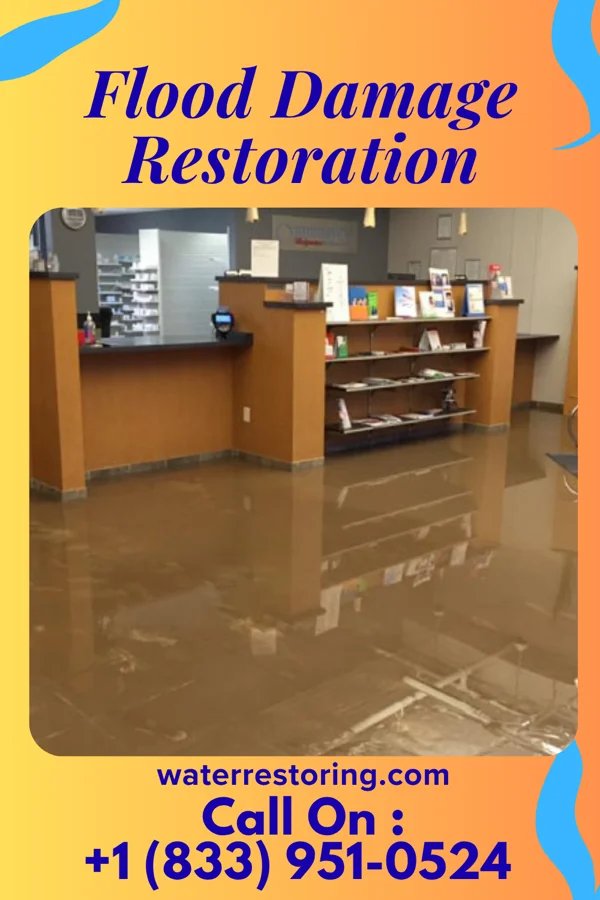
How Kansas City Neighborhoods Flood
Every neighborhood in Kansas City has a different water damage risk profile. The one that shows up on most restoration calls is Kansas City, Missouri experiences flood risks primarily due to its location along the Missouri and Kansas Rivers, combined with heavy rainfall events that can overwhelm drainage systems. Urban development and aging infrastructure in areas like North Kansas City and Avondale also contribute to localized flooding during intense storms..
The region has a humid continental climate with significant seasonal rainfall, leading to frequent flash flooding. The city's proximity to major waterways increases vulnerability to riverine flooding, especially during spring snowmelt and summer thunderstorms.
Water damage in Kansas City follows a few local patterns. Kansas City, Missouri experiences flood risks primarily due to its location along the Missouri and Kansas Rivers, combined with heavy rainfall events that can overwhelm drainage systems. Urban development and aging infrastructure in areas like North Kansas City and Avondale also contribute to localized flooding during intense storms. accounts for the bulk of our calls. The region has a humid continental climate with significant seasonal rainfall, leading to frequent flash flooding. The city's proximity to major waterways increases vulnerability to riverine flooding, especially during spring snowmelt and summer thunderstorms. In Kansas City, mold can begin to grow within 24-48 hours after water intrusion, making rapid response critical. Our team prioritizes urgent restoration to minimize health risks and structural damage in flood-affected properties.